Past Event: Oden Institute Seminar
Patient-Specific Computational Modeling of Endovascular Aneurysm Repair: State of the Art and Future Directions
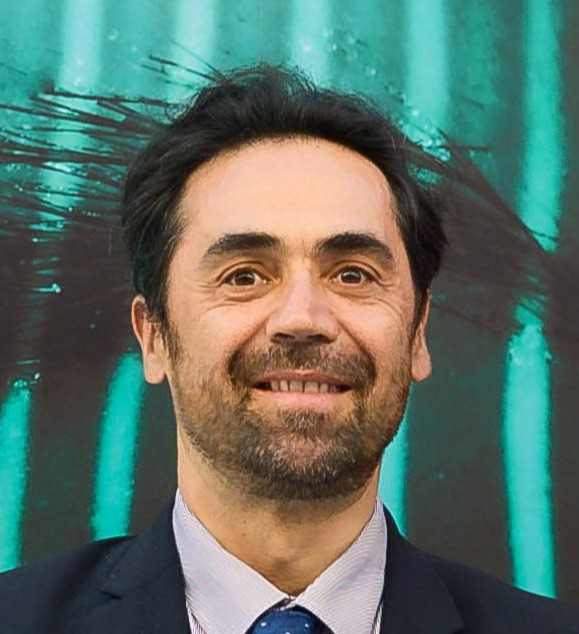
Stephane Avril, Ecole des Mines de Saint-Etienne
3:30 – 5PM
Thursday Mar 12, 2026
POB 6.304 and Zoom
Abstract
Endovascular techniques, such as endoluminal or endosaccular reconstruction, have emerged as the preferredmethod for treating both ruptured and unruptured intracranial aneurysms, replacing open surgery in most cases.The minimally invasive approach has been shown to result in better surgical outcomes and lower mortality rates.Before the procedure, neuroradiologists rely only on their experience and visual aids from medical imagingtechniques to select the appropriate endovascular option, device model and size for each patient. Despite thebenefits of endovascular techniques, significant complications can arise during and after the procedures,including intraprocedural aneurysm perforation, delayed rupture, aneurysm regrowth, in-stent restenosis andthromboembolic events. Therefore, predictive virtual replicas of these interventions can serve as a valuable toolto assist neuroradiologists in the decision-making process and optimise treatment success, especially in casesinvolving complex geometries. Computational modelling can enable the simulation of different treatment stra-tegies considering the most clinically relevant short- and long-term outcomes of the deployment and the post-operative complications that may arise over time.Statement of significance: This review explores the state of the art in modelling the mechanics of the mainneurovascular devices, their deployment within patient-specific geometries, their interaction with the vessel walland their influence on the local hemodynamics. As it strongly affects their applicability in clinical practice,particular attention is paid to the computational accuracy and efficiency of the different modelling strategies.The aim is to evaluate how these scientific tools and discoveries can support practitioners in making informeddecisions and highlight the challenges that require further study.
Biography
Stéphane Avril received his PhD in mechanical and civil engineering in 2002 at Mines Saint-Etienne (France). After positions at Arts et Métiers ParisTech (France) and Loughborough University (UK), he returned to his alma mater in 2008. Stéphane Avril was a visiting professor at Yale University (USA) 6 times between 2014 and 2019, guest professor at TU Wien (Austria) between 2020 and 2022 and guest professor at TU Graz (Austria) between 2021 and 2022.Stéphane Avril is now a “Professeur de classe exceptionnelle” at Mines Saint-Etienne. He is the director of SAINBIOSE (Inserm endorsed laboratory with 150+ researchers). Within SAINBIOSE he leads a team working on cardiovascular dysfuntion.Stéphane has received many awards and distinctions including an ERC (European Research Council) consolidator grant in 2015, an ERC proof of concept grant in 2021 and an ERC Advanced grant in 2024.Most of Stéphane’s research is aimed at improving the treatment of cardiovascular diseases by assisting physicians and surgeons with biomechanical numerical simulations and digital twins.In 2017, Stéphane co-founded Predisurge (www.predisurge.com), a spin-off company of Mines Saint-Etienne. PrediSurge offers innovative software solutions for patient-specific numerical simulation of surgical procedures. In 2024, Stéphane co-founded KaomX (www.kaomx.com), another spin-off company of Mines Saint-Etienne. KaomX offers solutions to develop multiscale digital twins of soft materials.
Event information
Thursday Mar 12, 2026